If you still believe magazine customers “aren’t on Instagram,” you’re not just wrong, you’re missing the most powerful acquisition channel publishers have ever had.
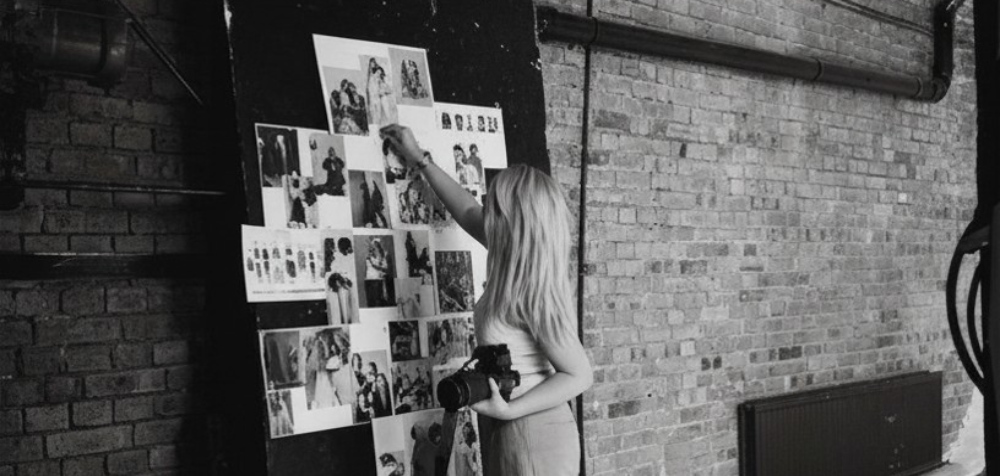
I heard it again today: “Magazine customers aren’t on Instagram.”
And I had to laugh… not because it was funny, but because it revealed just how far behind that thinking is.
We’re still talking about audiences as if discovery and consumption live in separate worlds. As if the people who admire beautiful things somehow do it in one place—and then go somewhere else to act on it.
That’s not how people behave anymore. If anything, it never really was.
There’s a long-running joke about buying a certain kind of magazine “for the articles.” It’s funny because it’s obviously not true.
And yet… the industry has built an entire narrative around the idea that content depth is the primary driver of purchase.
It’s not.
People buy magazines for:
A perfect cake. A perfectly styled outfit. A car shot at golden hour. A view you can almost feel.
Magazines have always been visual-first, aspiration-driven products.
We just dressed them up as editorial to justify the business model.
Instagram is not some new, competing channel. It’s the purest evolution of what magazines have always done.
It’s the modern newsstand—just without the friction.
And more importantly, without the delay between desire and action.
Take National Geographic as an example.
They’ve built an audience of roughly 274 million followers on Instagram alone. If just 1% of that audience converts to a paid premium experience at $2.99/month, you’re looking at:
From one platform. At a conservative conversion rate.
That’s not a social media strategy. That’s a business model.
Because most are still thinking about Instagram as a distribution channel.
Post the content. Promote the issue. Push the subscription.
But that’s not what users are there for. Instagram isn’t where you send people. It’s where they decide who you are.
And that decision happens in seconds:
If the answer is no, the funnel never even starts.

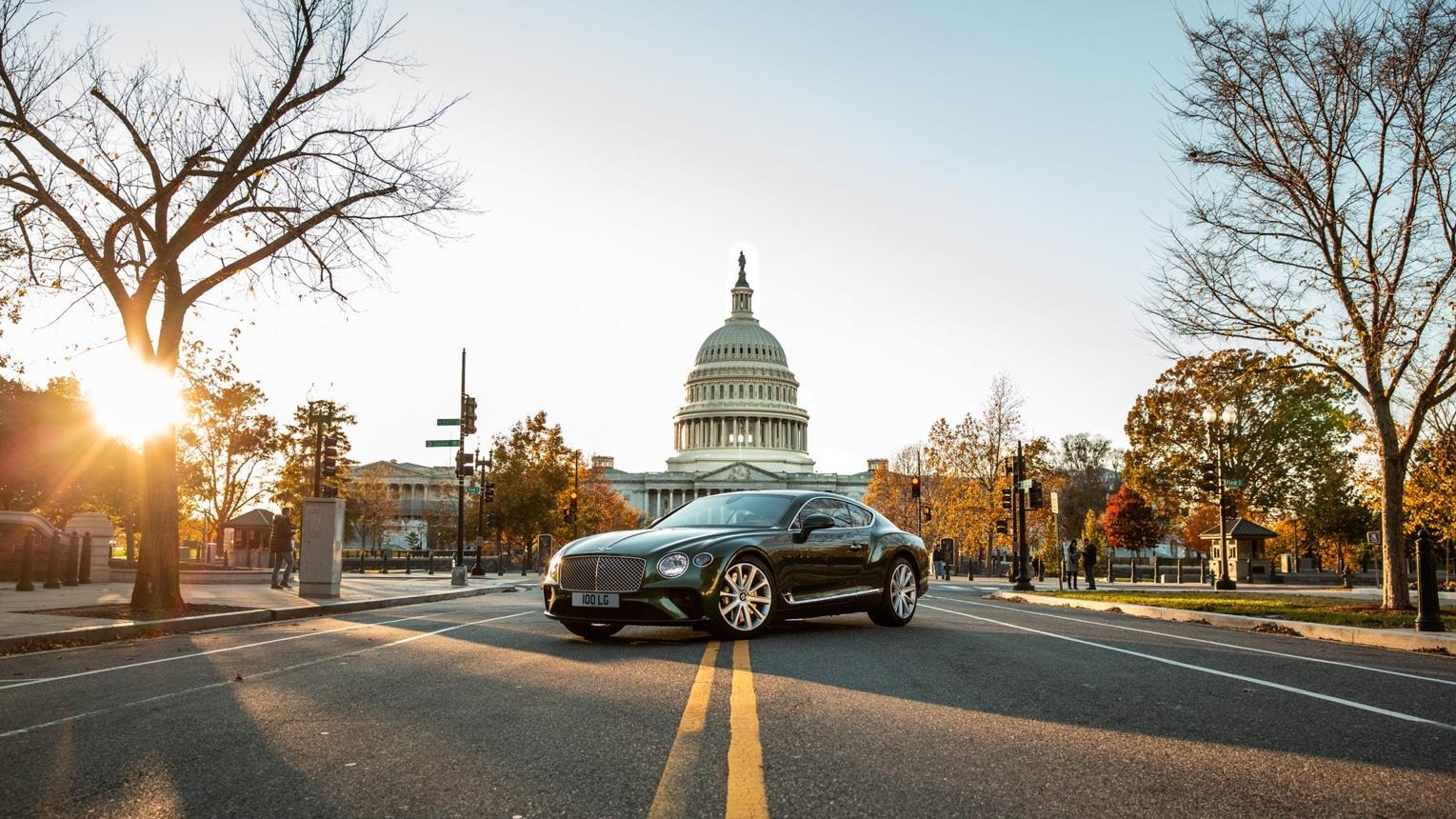

If it wouldn’t make someone pause mid-scroll, it doesn’t go up.
Brands like Motor Trend already have the assets. The opportunity isn’t creating more—it’s curating better.
Carousels aren’t a hack, they’re a commitment signal.
Each swipe is a small “yes” from the user:
That time compounds into affinity. And affinity is what drives conversion.
Photos stop the scroll. Video pulls people in.
And once someone feels like they’re inside the experience, the leap to “I want more of this” becomes much smaller.
The best monetization doesn’t feel like monetization.
It’s:
Overdo it, and you lose trust.
Do it right, and you create demand.
The biggest mistake publishers make is asking for too much, too soon.
Instagram shouldn’t go straight to subscription. It should build a path:
Instagram is the spark. Not the sale.
If your Instagram isn’t driving subscriptions, it’s not because your audience isn’t there.
It’s because:
Instagram didn’t replace magazines.
It revealed what they’ve always been: visual, emotional, identity-driven experiences.
The publishers who win next won’t treat it like a side channel. They’ll treat it like what it is:
the front door.


A single source of real-time customer insights, campaign management, fulfillment, financial reporting, and more.